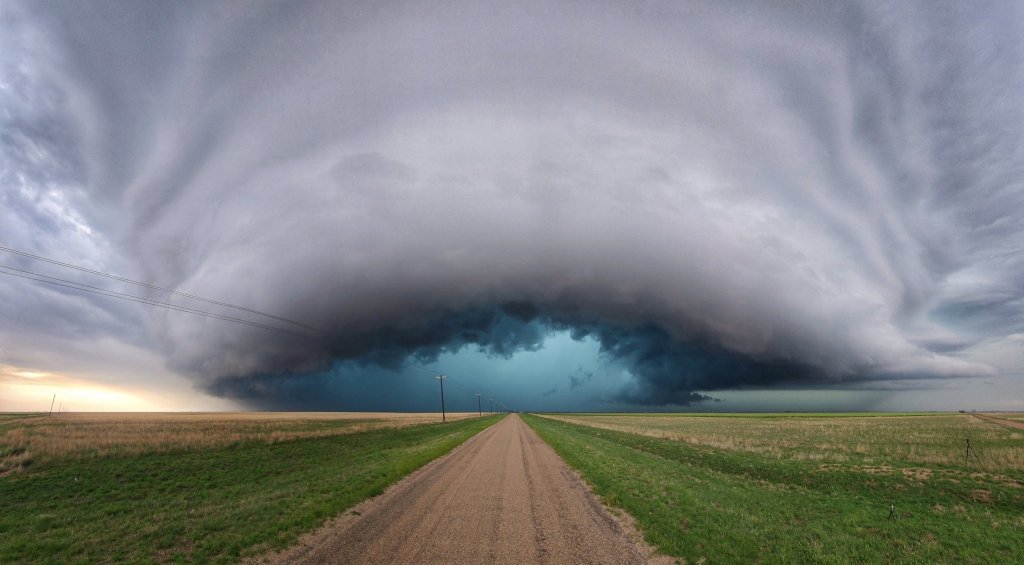
If you’ve ever been watching the weather during a period of current or upcoming severe weather, you’ve likely heard your local meterologist use the phrase “discrete super cell,” so what does it mean? Can storms practice discretion? Should I go outside and whisper secrets to it? Most definitely not.
My uneducated (ok, slightly educated due to a college statistics class) opinion has been that discrete storm cells are simply independent storms that form outside of a larger cell or line of storms. According to sources such as Accuweather, I am correct but missing the bigger picture. See, the thing I couldn’t quite understand was why one puny, solo storm cell was even worth mentioning in a forecast. It turns out that these loner storms are far from puny and are absolutely worth talking about.
Let’s compare these storms to your beloved bestie who is, unfortunately, an only-child. Your bestie has been doted on by their parents their entire life, never having to compete with anyone or anything for resources, and grew up to be what? Kind of a monster. Storms are no different. Within the atmosphere, there are pockets of massive amount of untapped energy that storm cells draw from. If you were to wire up a circut with one battery and a hundred lightbulbs, each of the bulbs would be equally dim. However, if you wired a circut with one lightbulb and a hundred batteries, that bulb would glow as bright as the sun because of the amount of energy being fed into the bulb.
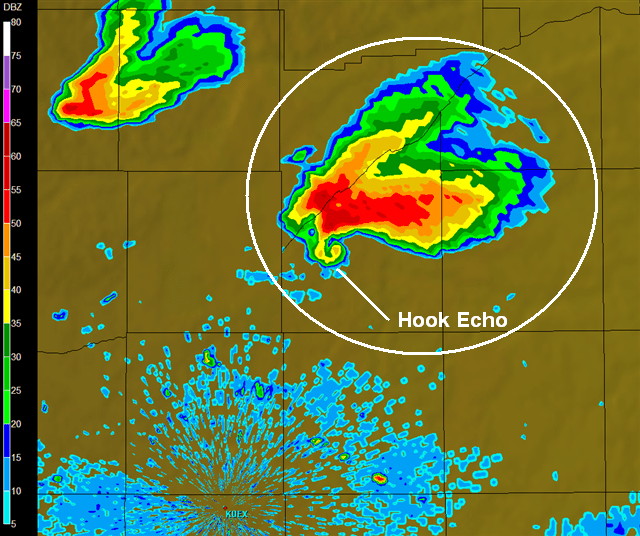
A discrete cell has all hundred of those theoretical, atmospheric batteries all to itself, making for a very volatile storm. These storms are often capable of spawning violent, long-lasting tornadoes with all of that energy. Often, these storms will begin to form a radar image called a “hook echo,” which I’ll save for another post.
 Strange Clouds WX
Leave a comment