Humans tend to have a strange fascination with things that scare us. Think about the traffic backed up on the interstate because everyone is slowing down and craning their necks to see the accident on the side of the road, or the thousands of daily visitors to subreddits like r/crazyvideos. We love to watch our greatest fears come true, from a distance.
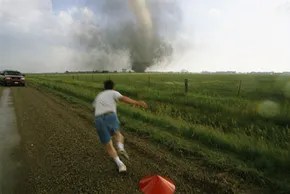
What about the daredevils who grace us with these horrifying images? Well, in the weather world, we have storm chasers. Storm chasers are an integral part of climatology research, providing the world with video, atmospheric data, and serving as first-responders after a tornado has struck. I’m sure each of us would be in awe of the sight of a well-formed funnel, but trying to catch a view of one of the 1500+ tornadoes that touch down in the United States yearly is both a difficult and expensive task.
Let’s start with some cost breakdowns (these are based on average costs in the United States):
Average cost of a hotel room per night: $212 USD
Average cost of a gallon of gas: $3.66
GoPro: $400
High-Quality DSLR Camera: $2,000-3,000
Average distance traveled in a day: 600-800 Miles
Average mile-per-gallon of a mid-size vehicle: 29 MPG
These are just some basic costs but on average a storm chaser will spend around $3,200 for a single day of chasing, excluding the cost of food. If a typical storm season is 3 months, even if they’re not chasing every day, a chaser could easily shell out around $64,000 to chase down tornadoes on 20 different days within that time frame. That’s just above the average yearly salary in the United States!

It would be neglectful to not also make mention of the cost of wear and tear on a vehicle. Oil changes and new tires are expensive enough without having to shell out cash for both mutliple times a year. Don’t forget replacing or repairing the body of the vehicle and windshields thanks to characteristic hail storms that preceed a funnel cloud.
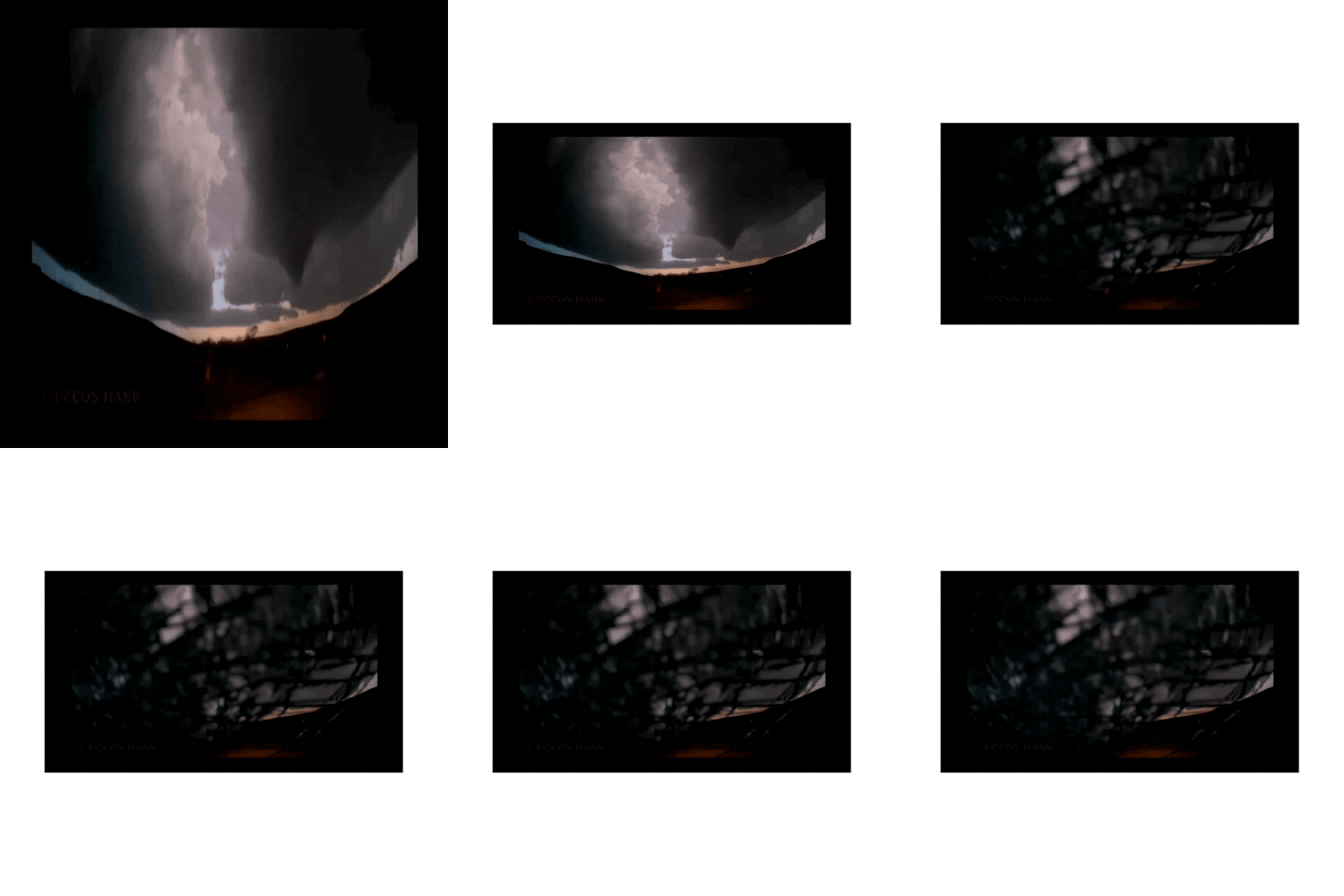
Money isn’t the only cost to this hobby, though. There is also time away from family, missed events, and the mental price of bearing witness to entire communities being devistated. The greatest cost of all is the life of a storm chaser.
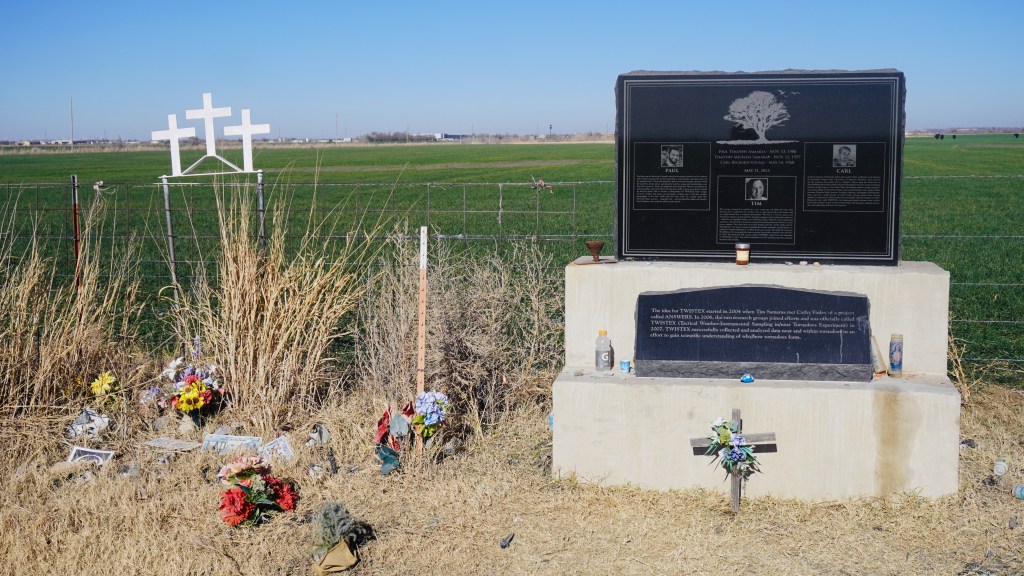
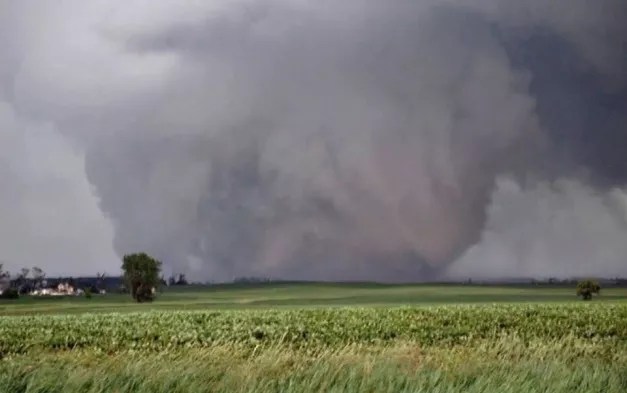
In 2013, the beastly El Reno touted a massive 2.5 mile radius with the condensation funnel (the visible part of a tornado) only showing about a mile wide. Because of this invisible danger, many chasers came a little too close with one team paying the ultimate price for their curiosity. The Twistex team consisted of father Tim Samaras, his son Paul Samaras, and teammate Carl Young – all of whom lost their lives on that fateful day.
In their honor, a memorial has been erected in El Reno, Oklahoma, where their mangled vehicle was found after being picked up and tossed by the EF5 winds. This memorial stands as tribute to the Twistex team as well as a grim reminder to other storm chasers that you can never be too sure that you’re safely out of the way of the violent freight train of destruction seen through your windshield.

 Strange Clouds WX
Leave a comment