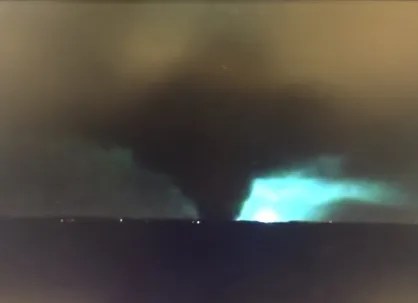
It’s no secret that tornadoes are deadly. Between collapsing structures and flying debris, it can feel like a miracle that anyone could survive such a violent force of nature. But, what if the winds aren’t the only element to blame? Sure, even soil can be thrown with enough intensity to sandblast the hide off of cattle (not a photo of said cattle, I promise), but with the right precautions and an understanding of basic tornado safety guidelines, most tornadoes are survivable. So what else contributed to the staggering total of 324 dead, 3,100+ injured within a 3-day period in 2011 alone?
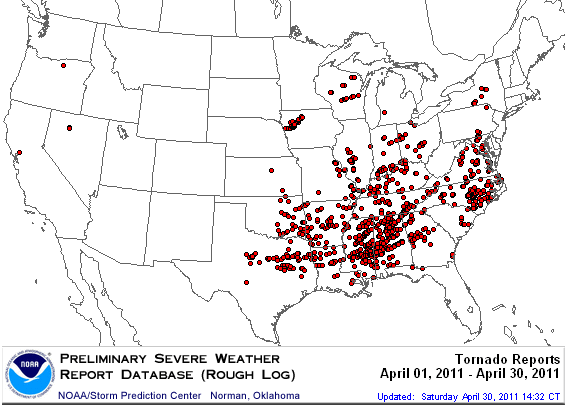
A map showing all tornadoes reported in the month of April, 2011
When you walk into a room, what is one of the first things you do? Turn on a light, right? You flip the switch without a second thought and, usually, are awarded with the miracle of illumination. Electricity is rarely thought of as the modern convenience it is until it is no longer available. The process of alerting the public to severe weather is a chain of processes almost completely dependent upon electricity, however, the destructive powers of nature were never taught to avoid powerlines. Because of this, many tend to be left both literally and figuratively in the dark when violent storms approach.
Now, you may be thinking, “But my cell phone doesn’t need to be directly connected to a power supply to work, won’t that warn me?” The answer is: it depends on where the tornado is. Something that cell phones are dependent upon to work are cellular towers that are scattered throughout the country. If you live in a very rural area like I do, cell signal is very weak, meaning the nearest tower is several miles outside of town. If it were to be struck by a tornado or an inopportune bolt of lightning ahead of a storm, cellular signal would be lost, meaning that my phone would be unable to receive the data transmissions that tell it to warn me, the user, of what’s to come.
If the power is out, your television won’t work so you likely won’t be able to get up-to-date weather information from your local news station. Your local news station may not even be able to get up-to-date weather information if the local radar tower has been struck, as in the case of the Hackleburg-Phil Campbell tornado in Alabama, part of the 2011 super outbreak event. What if the tornado sirens themselves are struck by lightning or rendered inoperable? Just ask the ironically named town of Siren, Wisconsin, which lost 3 of is residents to an EF3 tornado due to power outages, weak radio signal to weather radios, and an awaiting-repair tornado siren. This death toll occurred even after the NWS issuing the tornado warning 35 minutes before the funnel dropped and a whoppingn 50 minutes before the tornado intersected with Siren.
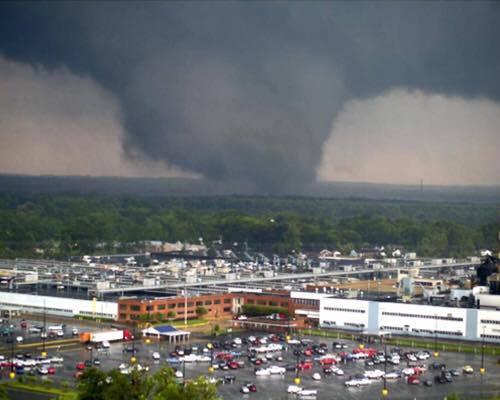
The monsterous 2011 Hackleburg-Phil Cambell EF-5 moments before devastating multiple Alabama towns
With average forward velocities of 30-70 mph, the time to prepare for an event you don’t know is coming is approximately 10 minutes or less from the time you hear the sirens.. By the time you see the tornado, it may be too late to avoid taking a direct hit. So, what can you do to almost guarantee you are notified of severe weather in your area? Luckily, NOAA, the National Oceanic and Atmospheric Association, has created the perfect set of tools to keep you in the know in the form of their NOAA weather radios. These little radios do still rely on electricity to function but offer the ability to use a battery back up or use a crank to generate power in the event of a power outage. Worried about your nearly-deaf grandma? Midland, the company that manufactures the NOAA approved weather radios, offers a variety of devices that attach to their radios such as strobe lights and pillow shakers for heavier sleepers and the hearing impaired.
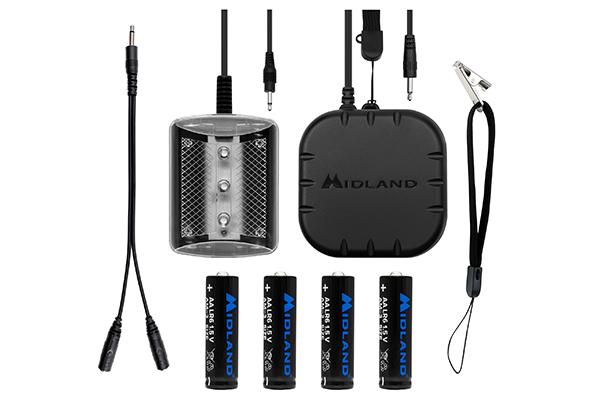
The SBNDL Bundle from Midland, retailing at $64.99 on their website provides tools to keep the hearing impaired safe during storms.
Though many have lost their lives to power outages during severe weather, such as 5 patients who were on ventilators when an F-5 tornado knocked out power to the hospital in Joplin, Missouri in 2011, owning a weather radio can help mitigate future deaths in similar circumstances. Overall, staying weather-aware is the most beneficial tool at your disposal in the long-run.
Tornado season typically runs from March until June, with April and May being the most active months. Click here to keep up to date on the Storm Prediction Center’s severe weather outlooks (updated daily).
 Strange Clouds WX
Leave a comment